


- Health Tips
- June 10, 2026
Everything You Need to Know About Neurosurgery
The brain, spinal cord, and nervous system control everything — how we think, move, speak, and feel. When something goes wrong with any part of this system, the impact on daily life can be immediate and severe. Fortunately, modern neurosurgery offers safe, effective solutions for conditions that were once considered untreatable.
If you or a loved one is facing a neurological problem, timely care from a trusted neurology centre in Vijayawada can make all the difference. At Union Hospitals, our team of experienced neurosurgeons and neurologists is equipped to handle everything from routine nerve conditions to complex brain and spine surgeries.
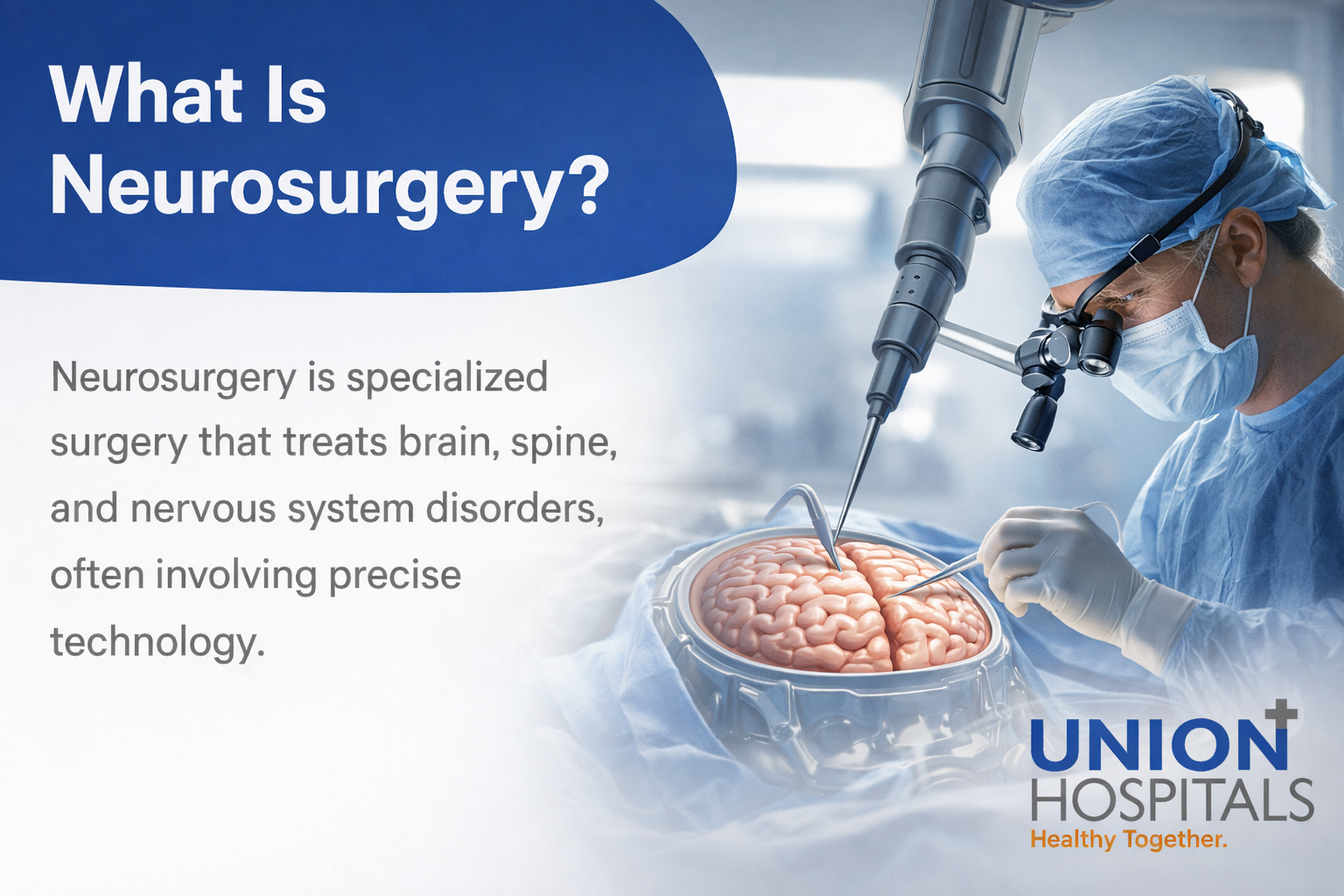
What Is Neurosurgery?
Neurosurgery is a specialised medical field focused on diagnosing and treating disorders of the nervous system — the brain, spinal cord, and peripheral nerves throughout the body. A neurosurgeon is trained to manage the full range of neurological conditions, from brain tumour removal to minimally invasive spine procedures.
Brain Surgery: What Modern Technology Makes Possible
Brain surgery is a serious procedure, but in skilled hands with advanced tools, it is far safer and more precise than ever before. Our neurosurgery team uses computer-assisted navigation, microsurgical techniques, and intraoperative imaging to remove tumours, stop bleeding, relieve pressure, or repair damaged tissue — all while protecting as much healthy brain function as possible.
For tumours located near speech or motor areas, we offer awake craniotomy — a technique where the patient remains conscious during parts of the procedure so the surgical team can monitor brain function in real time. This significantly reduces the risk of post-operative complications.
Spine Surgery: Relieving Pain and Restoring Movement
Chronic back or neck pain that radiates into the arms or legs is often a sign of nerve compression in the spine. When conservative treatments stop working, spine surgery can provide lasting relief.
Why Minimally Invasive Neurosurgery Matters
Traditional open surgery involves large incisions, greater blood loss, and long hospital stays. Minimally invasive neurosurgical techniques have changed this dramatically
Conclusion
Our specialists work closely with radiologists, anaesthesiologists, and rehabilitation teams to deliver care that is tailored to each patient's specific condition. Importantly, neurosurgery does not always mean surgery. Many conditions are first managed with medication, physiotherapy, and lifestyle changes — surgery is considered only when other treatments are unlikely to help or when there is an urgent risk to brain or nerve function.
Brain surgery is a serious procedure, but in skilled hands with advanced tools, it is far safer and more precise than ever before. Our neurosurgery team uses computer-assisted navigation, microsurgical techniques, and intraoperative imaging to remove tumours, stop bleeding, relieve pressure, or repair damaged tissue — all while protecting as much healthy brain function as possible.
Recovery from a neurological condition can be emotionally as well as physically demanding. Our patient care team is available to guide both patients and their caregivers throughout the process.
Neurological conditions can be life-changing — but with the right team and timely care, outcomes can be excellent. Whether you are managing a brain tumour, a spinal disc problem, or a nerve condition, expert diagnosis and treatment make all the difference.
Union Hospitals is committed to delivering the highest standard of neurological care to every patient. If you are looking for the Best Neurologist Hospital in Vijayawada, our team is here to help — from your first consultation all the way through to recovery.